posthole

Keep the posts
you pass.

Your scroll, saved. Posts, pictures, videos, and the replies.

Give this to your agent

Use https://github.com/reacji-to/posthole/blob/main/README.md to set up posthole.

Or download the extension for Chrome and Helium.

Installation & details

For macOS and Linux. You’ll need Node.js 20 or newer.

  1. Download and unzip. Keep the posthole folder somewhere permanent.
  2. Connect the file writer. Open a terminal in that folder and run:
    node scripts/install-host.mjs
    This lets the extension save files to your computer.
  3. Load the extension. Open chrome://extensions (or helium://extensions), turn on Developer mode, click Load unpacked, and choose the dist folder inside posthole.
Open your archive

The default save folder is ~/posthole. To browse it as cards, install Bun, open a terminal in the extension folder, and run:

cd viewer && bun install && bun start

Then visit localhost:4747. You can change the save folder or pause capturing in the extension’s settings.

What gets saved?

Posts the supported sites load while you browse, original images and videos, author avatars, link previews, and reply threads fetched in the background. Posts are stored as JSON alongside their media. Ads are skipped. You can turn off sites, media downloads, or background reply fetching in settings.

Optional GitHub sync can publish your archive and build a searchable database. That requires your own setup; a published archive can be public. Read the details.

Your archiveTry it below
localhost:4747 / your posts

Selected posts from a real posthole archive

and as @Wattenberger reminded me... window management. everyone is searching for the best tabs, panels, canvas, sidebar approach.

aka re-thinking the SaaS shape.

A sketch labeling the left rail, sidebar, tabs, main content, right sidebar, and bottom bar of an application.
4 likes · 4 bookmarksView original ↗
View earlier post in this thread

all our AI-native companies are wrestling with these agentic software design/UI needs:

- tracking what's happening (many agents)
www.lukew.com/ff/2165/many-agents-many-views
- showing what got done (by agents)
www.lukew.com/ff/2142/showing-the-work-of-agents-in-ui
- keeping design coherent (agent instructions)
www.lukew.com/ff/2164/design-systems-for-ai-agents
- multi-player & collaboration (people+
agents)
www.lukew.com/ff/2153/collaborative-steering
- asset creation tools (agent workflows)
www.lukew.com/ff/2146/consistent-character-maker-update
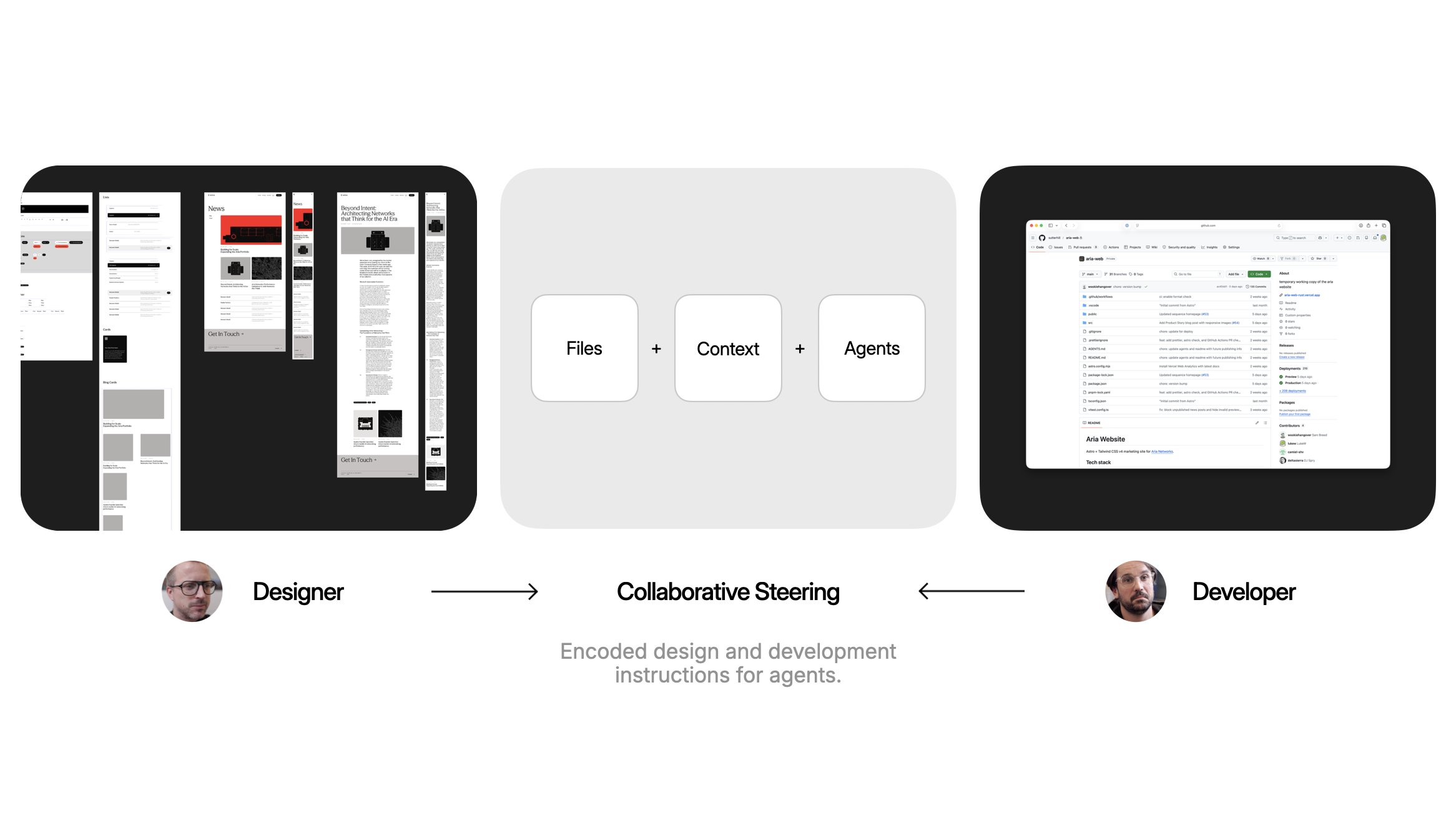
Illustration accompanying Luke Wroblewski’s post about agentic software interfaces.View original post ↗

What if the future of software development isn’t about maintaining code, but regenerating it?

Dusan will take the stage at AI2FUTURE to explore this idea in his talk:

“AI code will be regenerated, not maintained”

📅 October 29, 9:30 - 10:00 
📍Zagreb, AI2FUTURE

He’ll share what we’re learning at *codeplain, where regenerative software approach already works and what this could mean for the future of software

Show more

development.

If you’re attending the conference, you’re welcome to join the conversation!

Explore regenerative software idea here: lnkd.in/dp3GYGjB

#AI2Future #RegenerativeSoftware #AI #SoftwareDevelopment

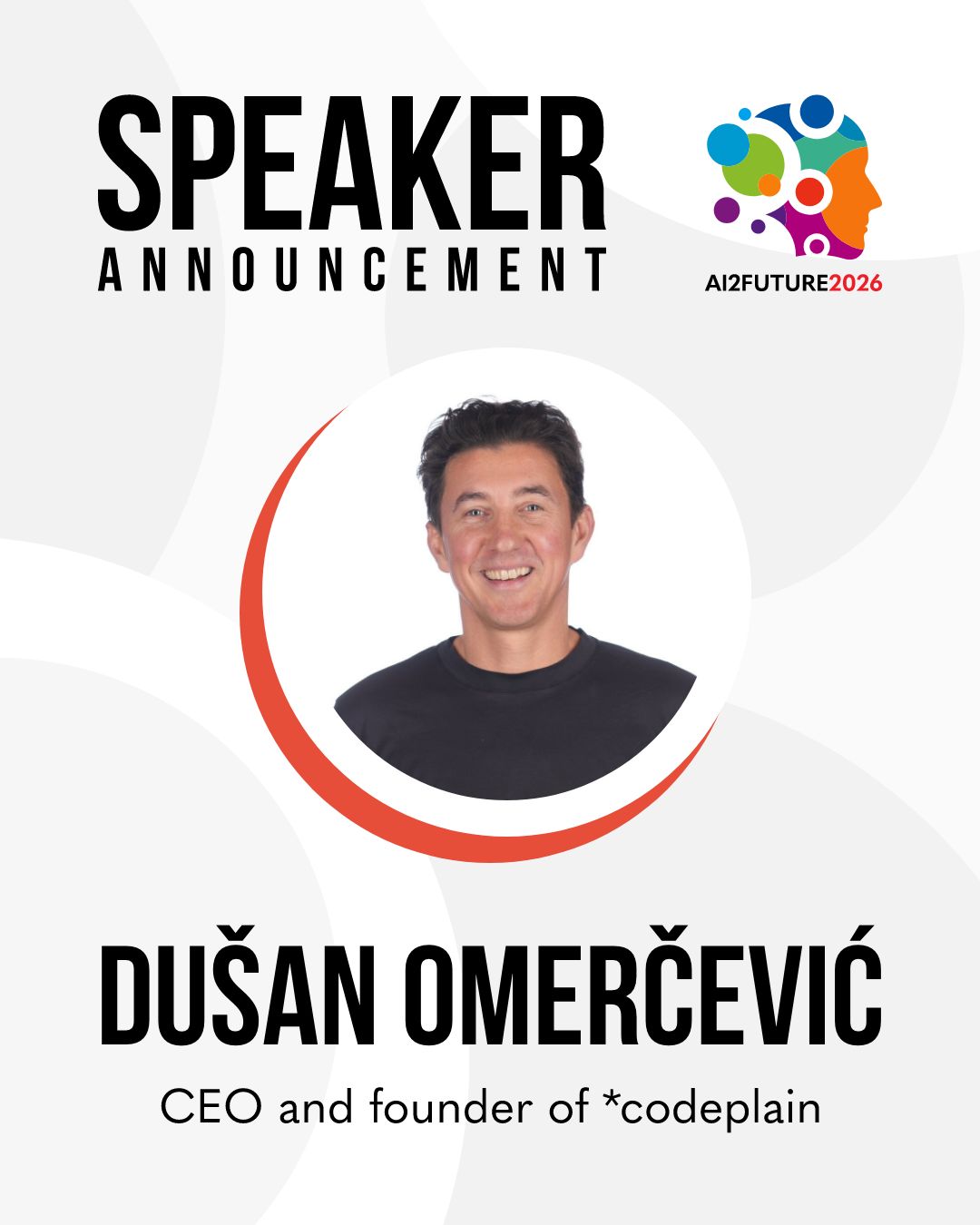
AI2FUTURE 2026 speaker announcement for Dušan Omerčević, CEO and founder of Codeplain.
Saved from LinkedInView original ↗

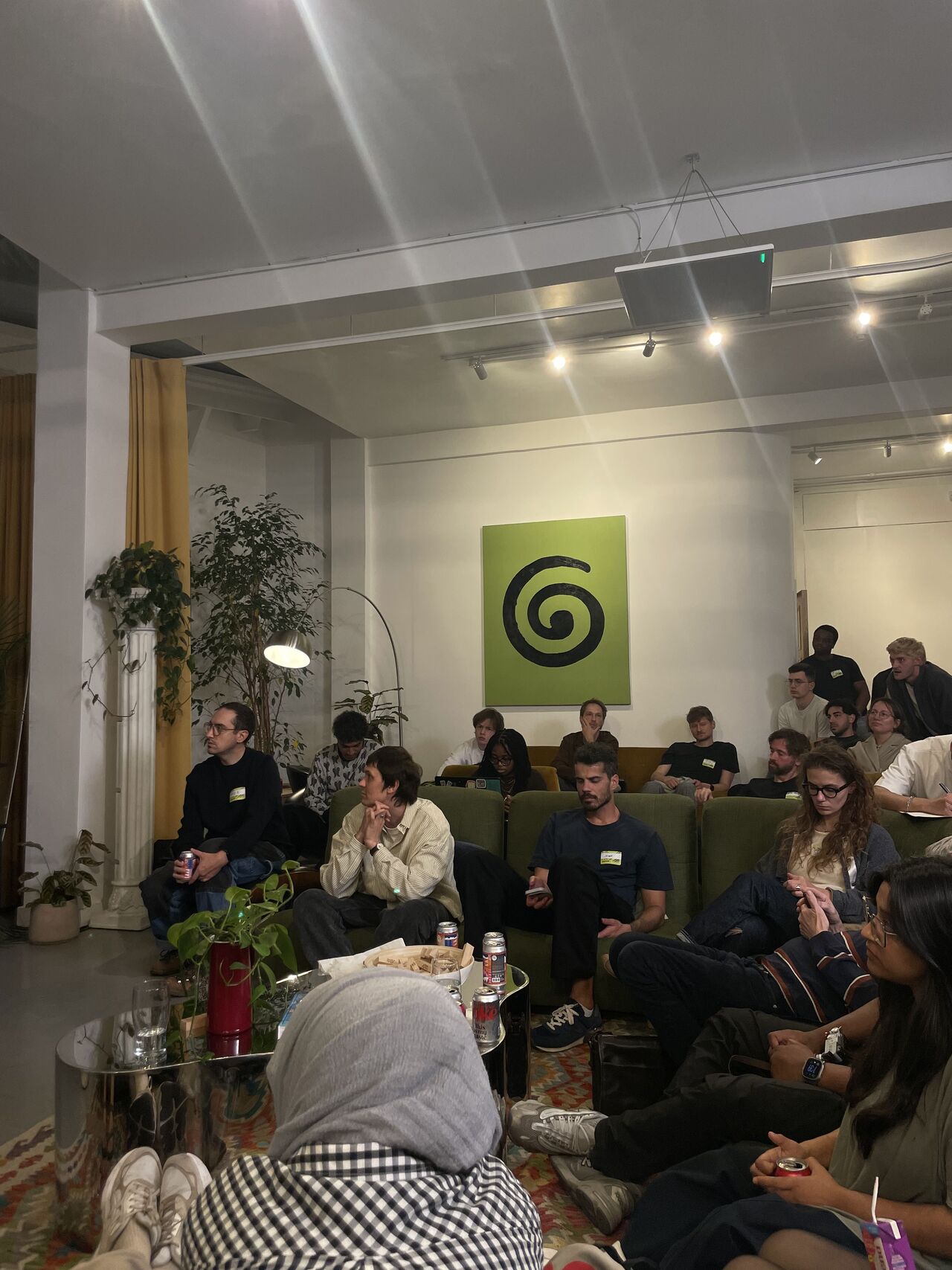
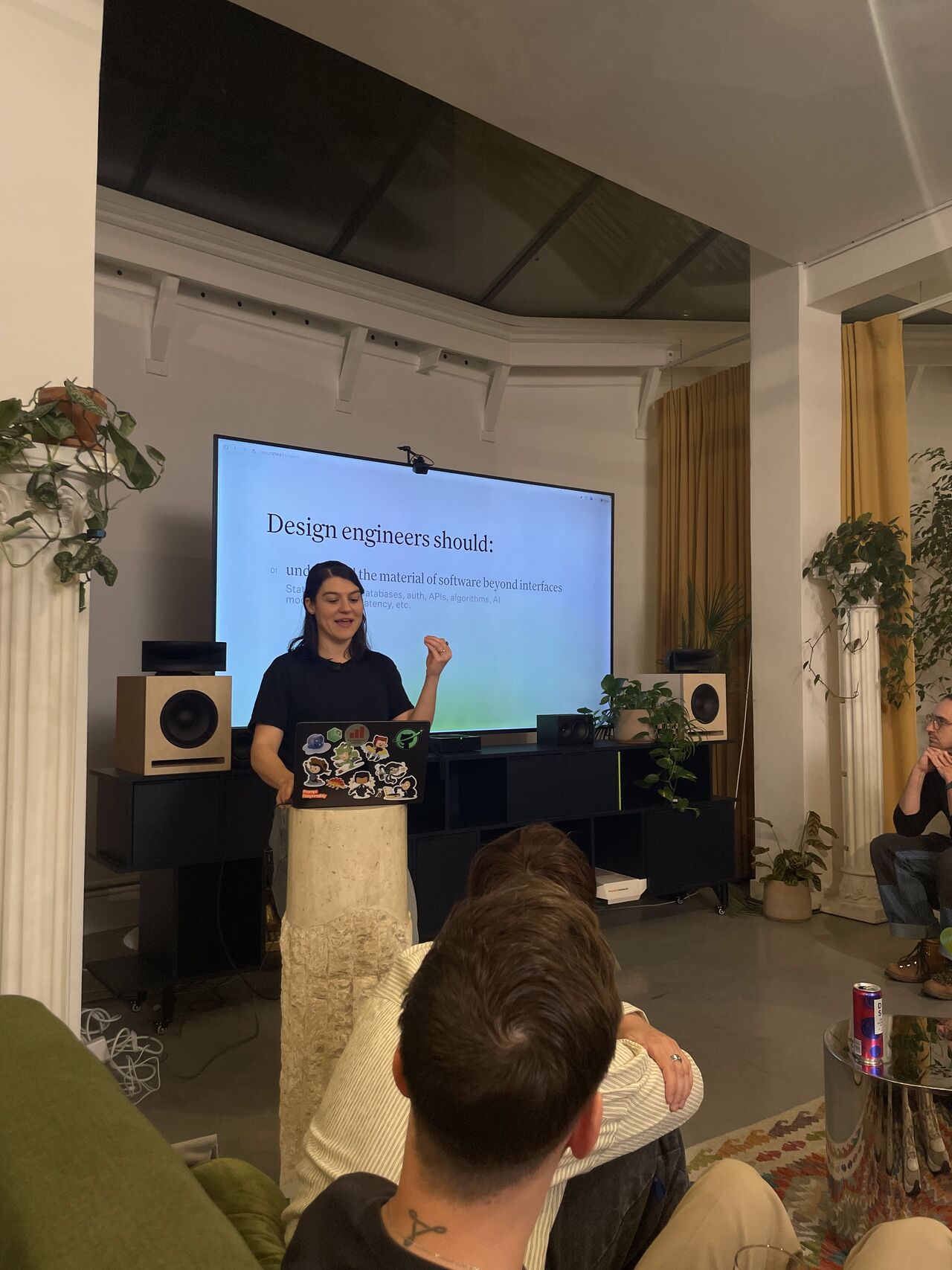
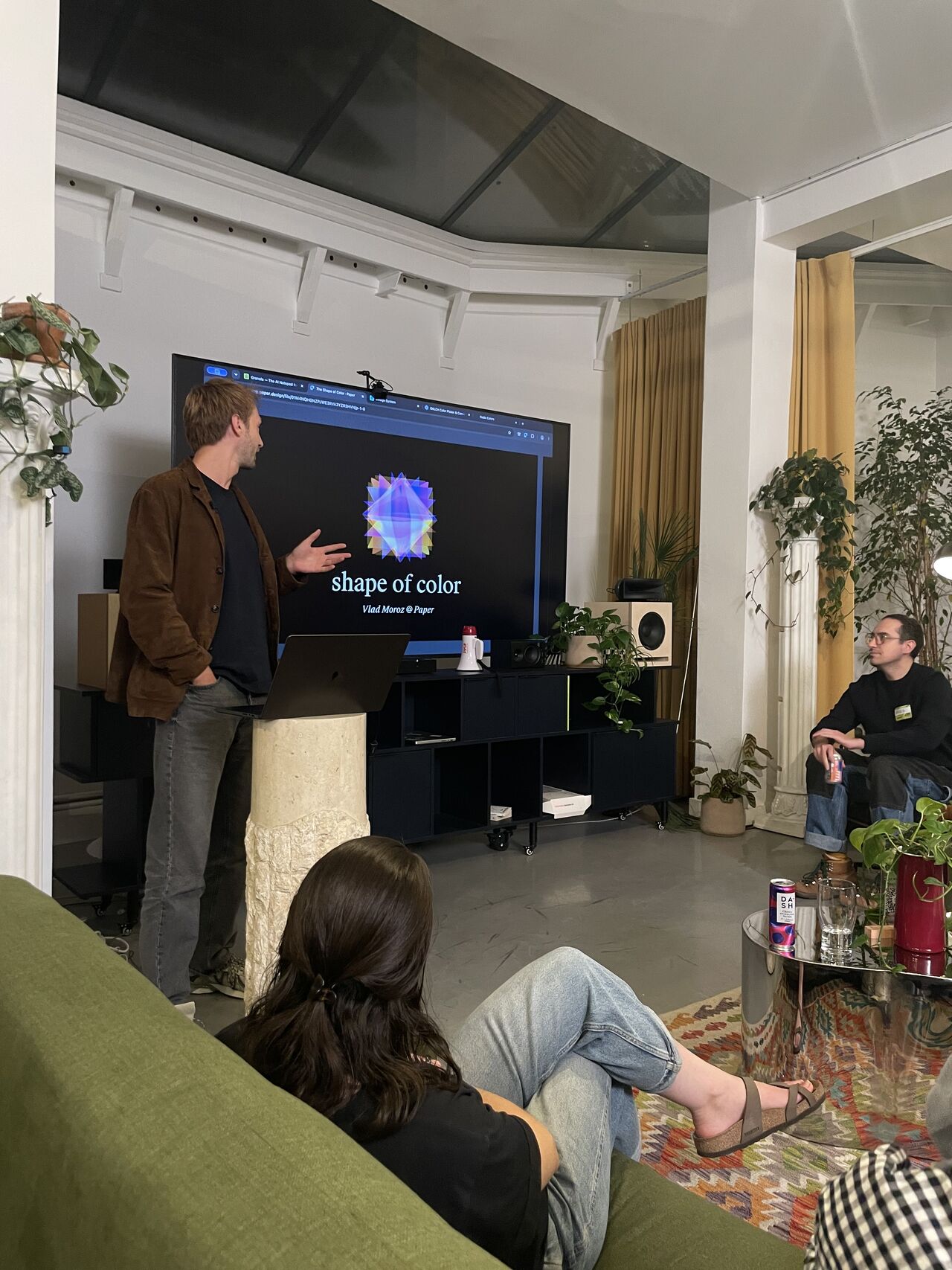
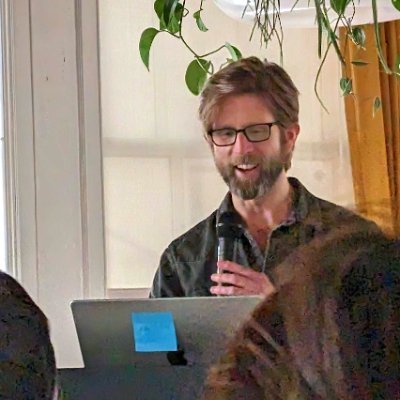
Two talks from Granola's design engineering night that I'm thinking about 👇

1. Maggie Appleton (GitHubMaggie Appleton (GitHub Next) on speculative design.
I've been following Maggie's work since her writing on digital gardens, where ideas grow wiki-style instead of being published as finished posts in chronological order.

She talked about her work at the R&D labs of GitHub, noticing weak signals, asking what

Show more

might happen next, then building a prototype that lets people actually examine that future. At ∗codeplain we're asking the same question about software development: what are the signals and how will we develop software in Sept 2027?

2. Vlad Moroz (Paper) on the shape of color.
I never took too much time thinking about how color pickers in design tools are made, but they affect every designer's work. How do you preserve readability and perceived intensity when changing hues?

Vlad showed how the same HSL lightness can have very different perceived brightness across hues. Paper maps each OKLCH hue slice into a rectangular picker so colors stay in gamut and hue shifts feel consistent. And agents still default to hex, so I keep wondering what they'd design like if they thought in OKLCH.

Thanks Granola for opening your office and hosting the 10th edition of the design eng night!

Media from Kaja Skerlj’s saved postMedia from Kaja Skerlj’s saved postMedia from Kaja Skerlj’s saved post
Saved from LinkedInView original ↗

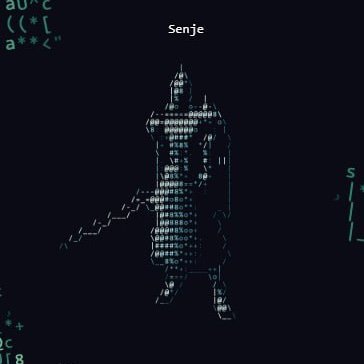
Making the ASCII MMORPG of my dreams!

Some work from the past few days🙌

1.Tested the trading system
2.Tested the clouds
3.Added fake shadows to characters and objects
4.Tweaked the animations a bit

Ansenjeo. #mmorpg #indiegame #ascii

299 likes · 39 bookmarksView original ↗

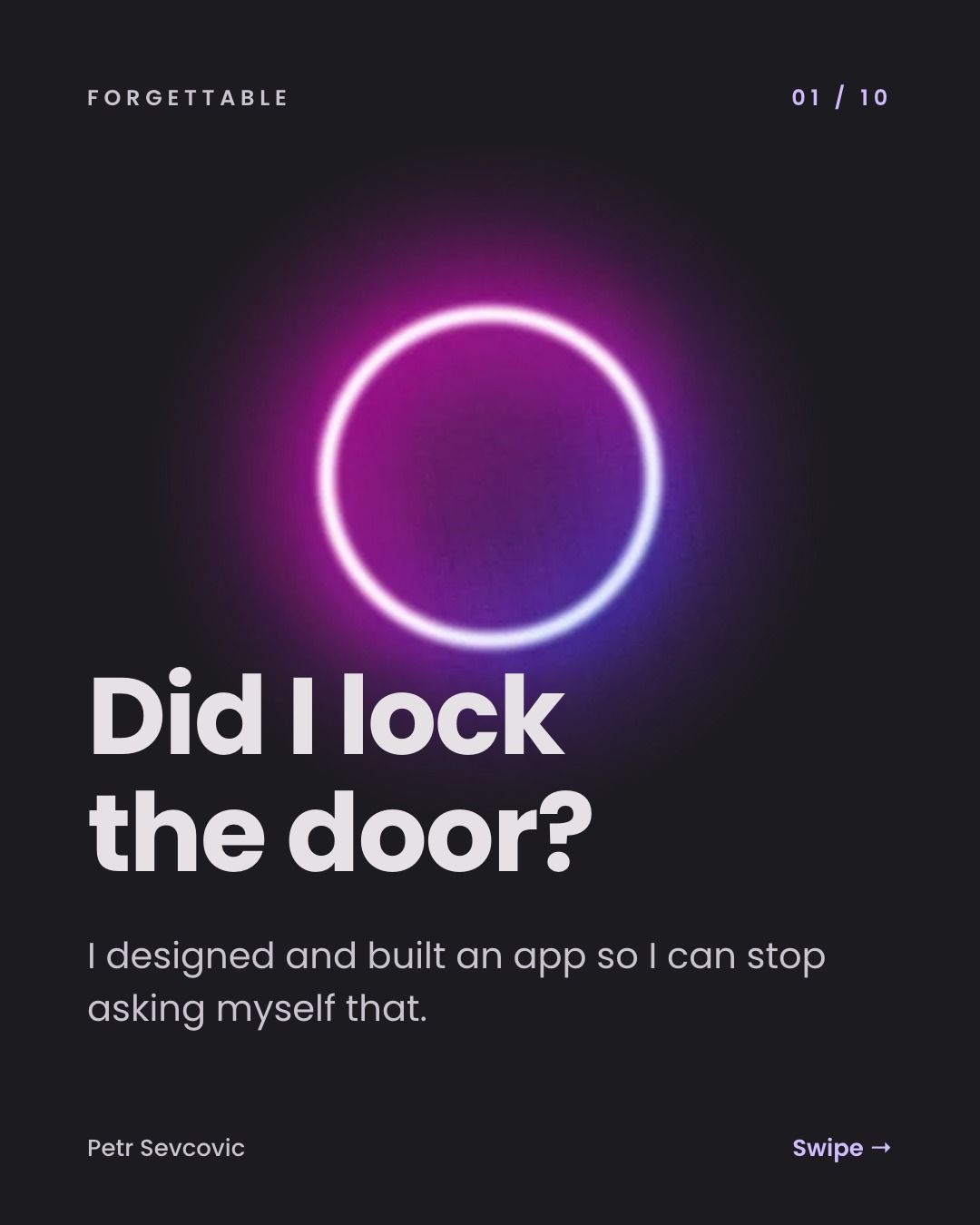
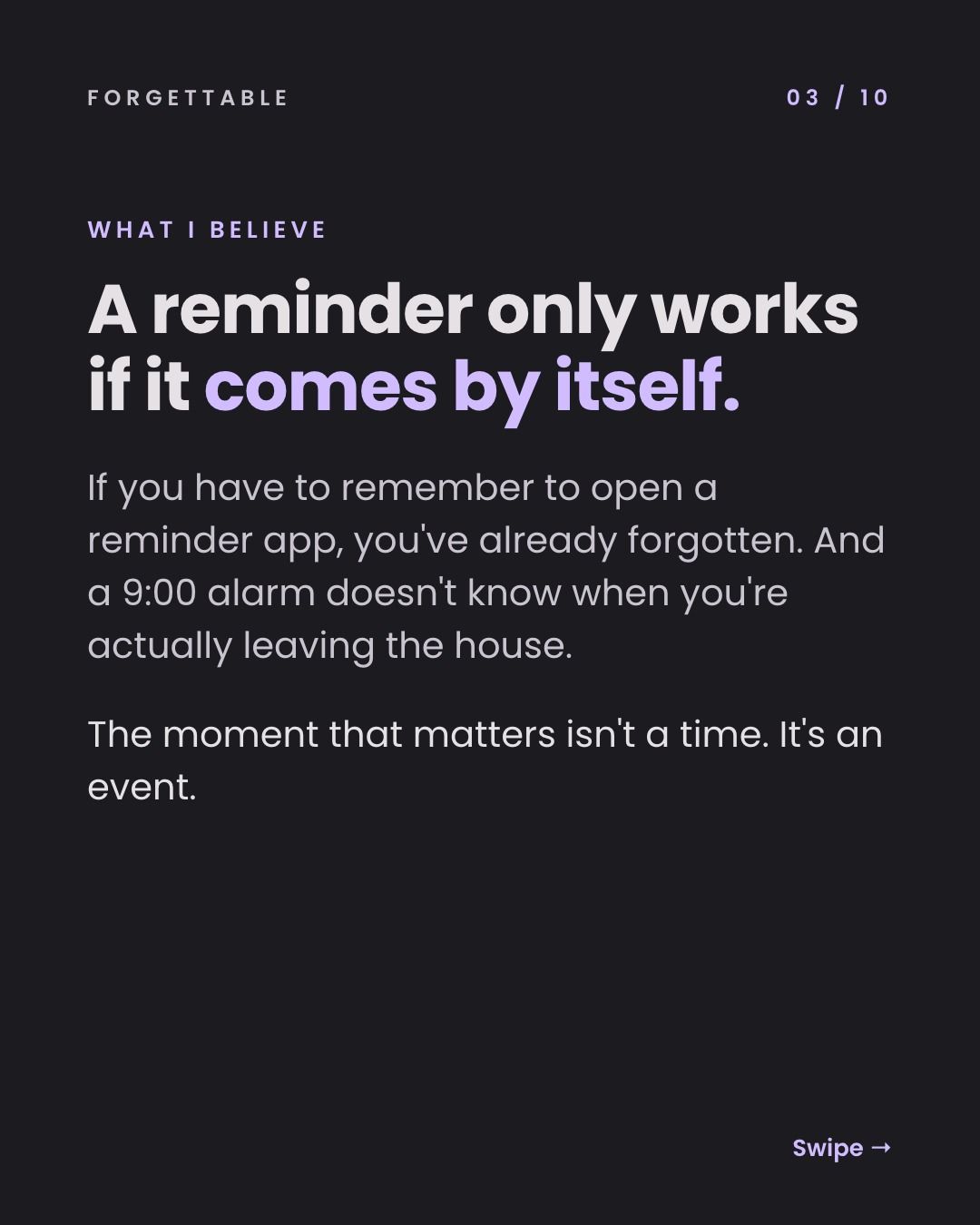
1.5 days. That's how long it took from my first Figma screen to Forgettable running on my iPhone.
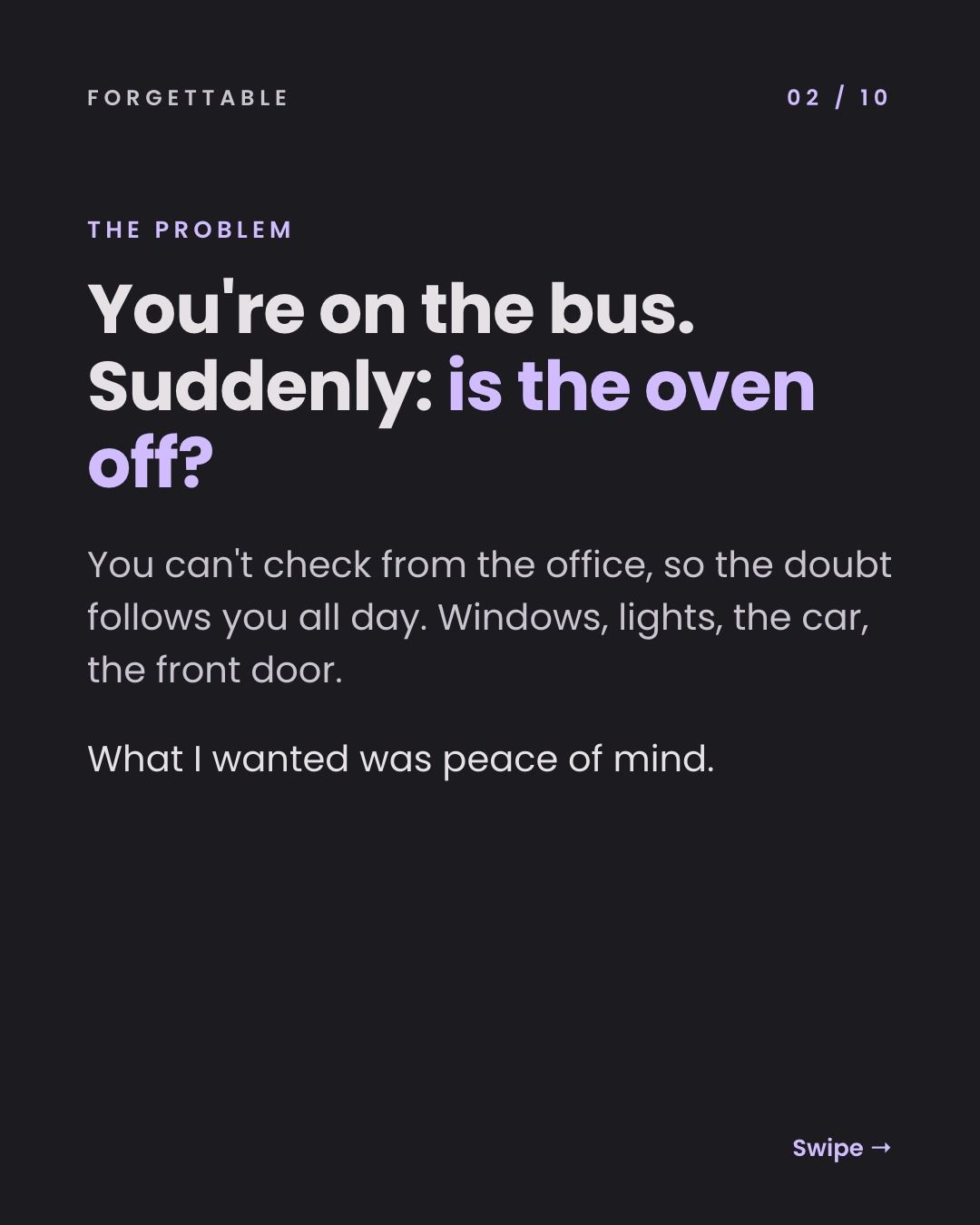
Forgettable is for the thought that ruins my mornings: did I lock the door? Is the oven off? Did I switch off the lights?
You can't check from the office, so the doubt follows you all day.
I started from one belief. A reminder only works if it comes by itself. If you have to remember to open a reminder app, you've

Show more

already forgotten.
So the app reacts to what happens around you:
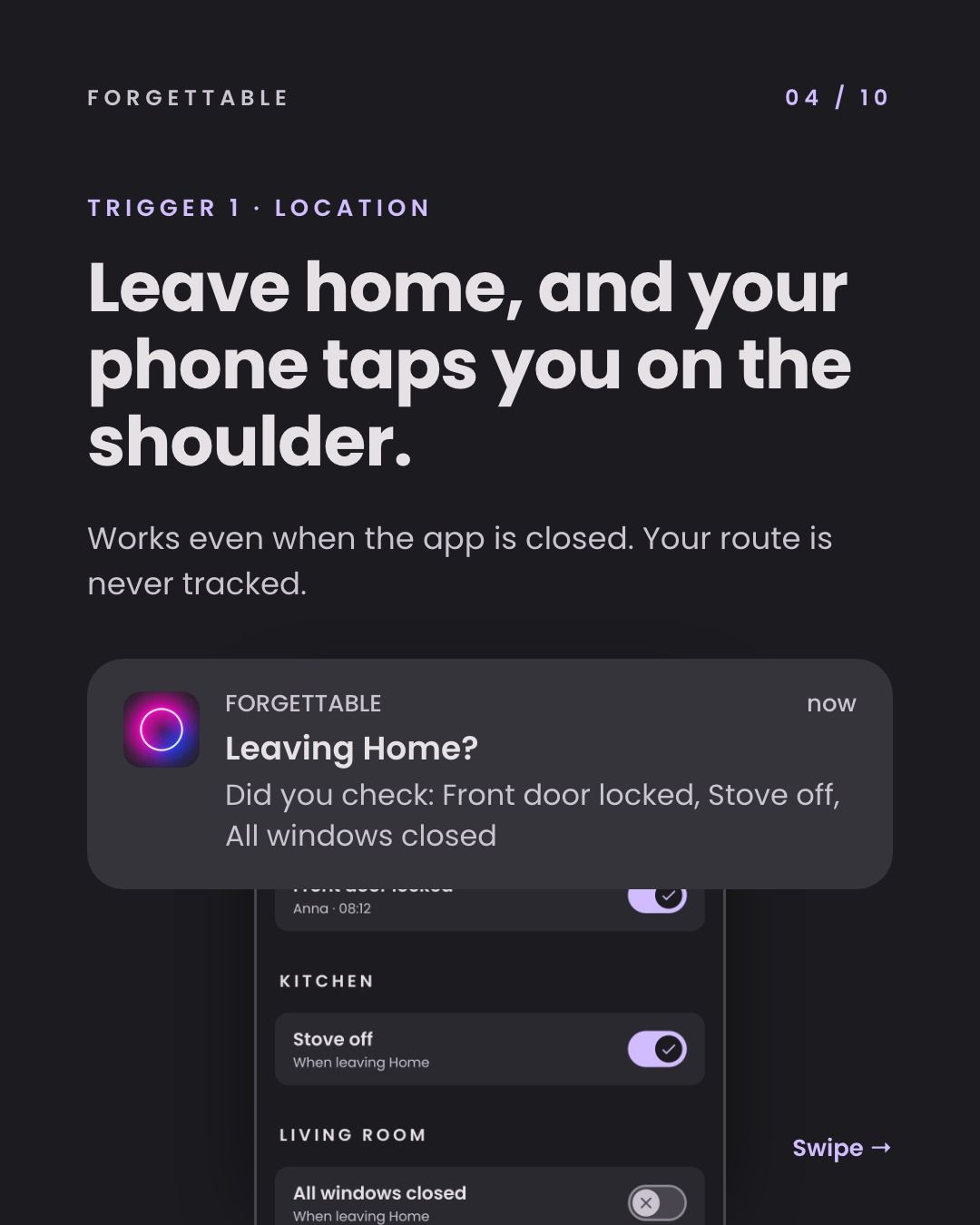
→ you leave or arrive somewhere (a 150 m circle the phone watches, even with the app closed)
→ you drop off or join your home Wi-Fi
→ a set time, or a real alarm that cuts through silent mode
At home it's never just you, so the list can be shared. "Anna locked the door at 08:12" means nobody has to ask anymore.
I designed every screen in Figma and built it with Claude Code. iOS and Android, widgets, Siri, shared households, plus a website with help guides and a privacy policy.
Setting it up takes under a minute: pick the usual suspects (front door, stove, windows), set your home once, done.
The name comes from Neville's Remembrall in Harry Potter. It turned red when he forgot something, but never told him what. This one does.
What's the one thing you always go back to check?
P.S. Swipe through the slides for the screens. Link to the website is in the first comment.
#productdesign

Media from Petr Sevcovic’s saved postMedia from Petr Sevcovic’s saved postMedia from Petr Sevcovic’s saved postMedia from Petr Sevcovic’s saved post
Saved from LinkedInView original ↗

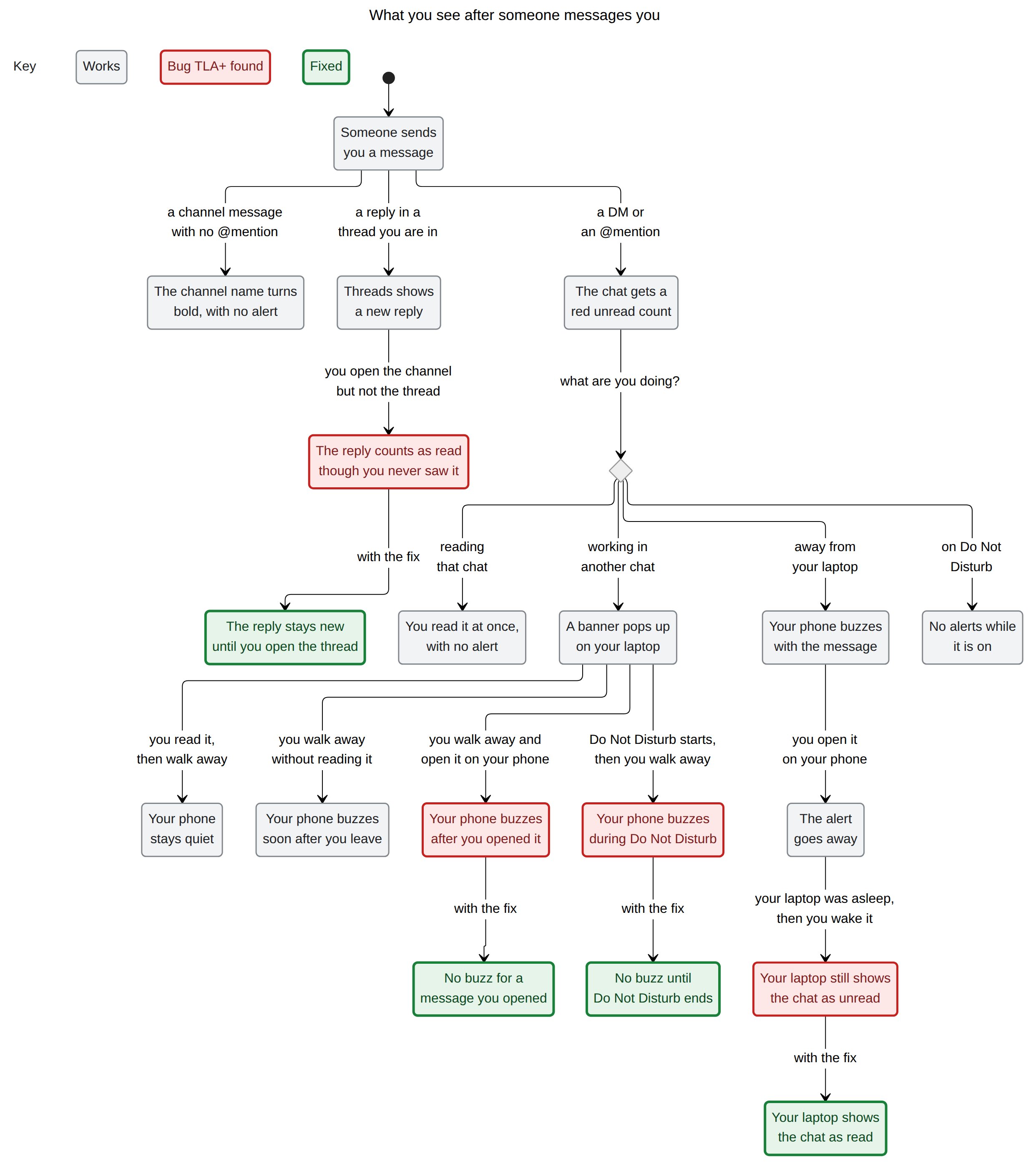
there's something really cool about asking your agent to draw a statechart (hypothetical example in this image), then using the /create-formal-verification-skill you made with pstack to find bugs through something like TLA+. you can both understand your code better and how the user flow should work, and fix issues users would otherwise see

Media from lauren’s saved post
1925 likes · 2063 bookmarksView original ↗

Added bloom to my engine.

I'm not a huge fan of super heavy post-processing, but some amount of bloom is needed to show high-dynamic range on an LDR display, and also to avoid harsh edges on bright objects.

Looks nice too!

This is rendering at 4k in about 0.1ms -

1/

315 likes · 86 bookmarksView original ↗

If you are building skills for the developer community, please budget very experienced team member time to build evals and garden the set of skills. As models continue to improve, it is beneficial to user outcomes and token efficiency to prune either portions or entire skills that the base model and harness are freshly capable of doing better. This is similar to long-established good habits of tending our code bases

Show more

as languages, libraries, and SDKs advance.

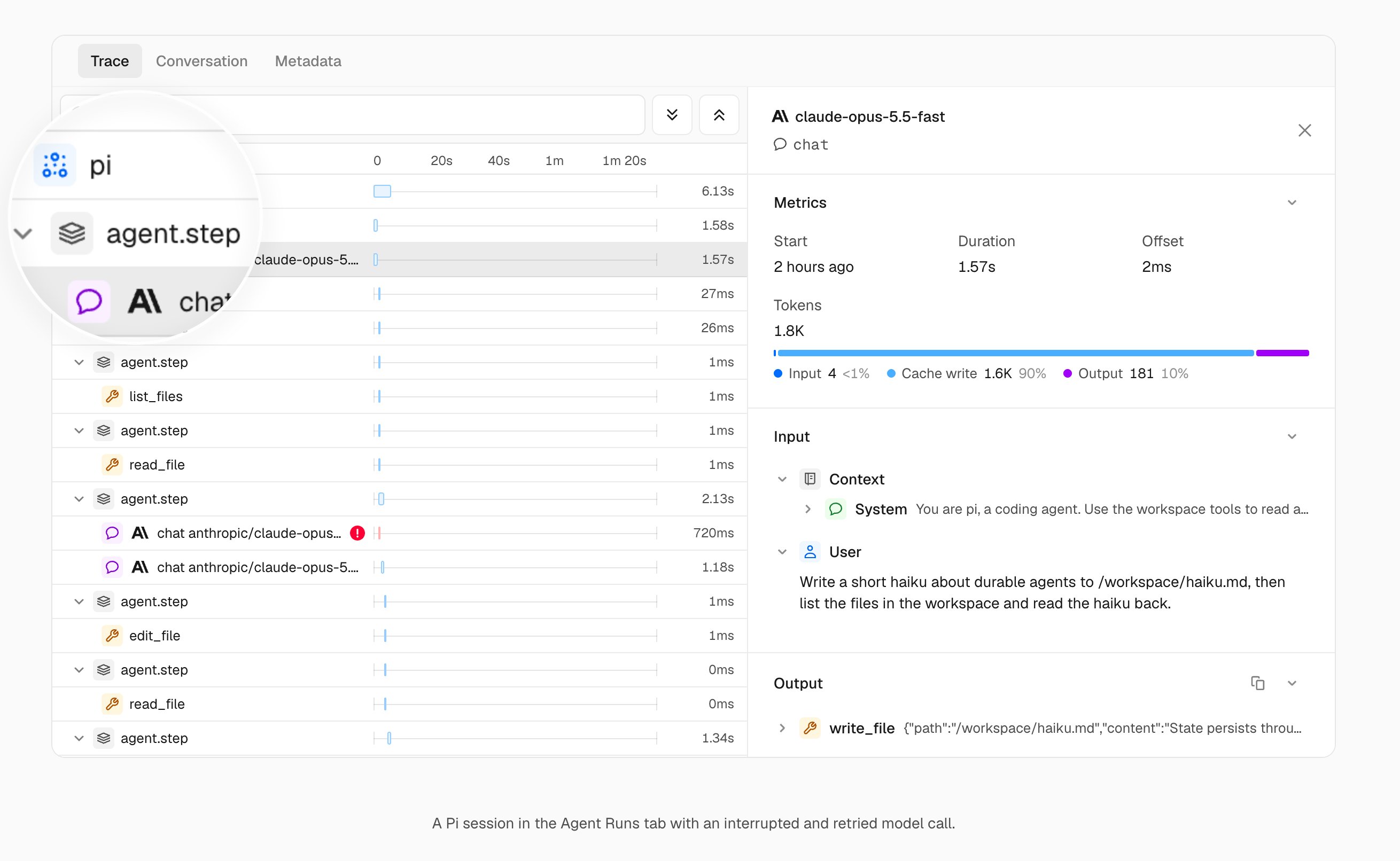
Much like we did with @aisdk, we're bringing a truly open-source, runtime-agnostic solution to harness durability.

We're extending the durability infra that powers @eve and Workflows to all harnesses, like Pi and OpenCode. Local, Vercel, or DIY.

Fun fact: even Claude Code and Codex can be made durable (and observable!) this way. The catch: they're not (currently) designed for embedding, which makes them less

Show more

efficient, less portable, and brings an extra sandbox requirement compared to Pi or Fx.

Media from Guillermo Rauch’s saved post
434 likes · 305 bookmarksView original ↗

What used to take weeks in C++ now takes one hour or so in Rust with a half-burned ChatGPT Pro plan and much less code. Plus a real-time viz for fun. Most of what I did was to review and agree on some architecture SVGs with the agent before letting it loose.

The idea is that a performant single-threaded high-bandwidth data recorder owns buffer lifecycles for reuse and performs memory-to-storage DMAs via io_uring as

Show more

much as possible. While also planning to allow DMAs from "foreign-owned" pinned memory like mmap() and CUDA with ref counting for ownership release.

Adding open-source dependencies in Rust really feels like a breeze thanks to the well-maintained crate registry.

Saved from LinkedInView original ↗

Every time I have used automatic differentiation, I felt like some Dark Magic was taking place. With a lot of hand-waving, I understand why it should work, thanks to the chain rule, but how it performs the magic exactly was never clear to me. So I embarked on a side quest: try and implement it naively from scratch, in F#, to see what lessons I might learn along the way, and hopefully finally figure out how the magic

Show more

really works.
My first attempt was not quite right, but already taught me quite a bit:
lnkd.in/gphJyw7V

🚨 Mermaid has been rewritten, again. In Rust!

🧜‍♀️ Introducing Ondine. 🧜‍♀️

- 200B runtime.
- Renders diagrams in ~50µs.
- 1,943x smaller, 2.8x faster than Pele.
- 13,467x smaller, 670x faster than Mermaid.
- Still 0 dependencies.

2931 likes · 2213 bookmarksView original ↗

🤗 transformers serve now speaks 🔊

We just added an OpenAI-compatible `/v1/audio/speech` endpoint to transformers serve, and we couldn't have picked a better model to launch it with than Phonon, Gradium brand-new on-device TTS: tiny, fast and multilingual.

Test it with:
transformers serve gradium/phonon-40m-en

Phonon isn't alone. transformers serve supports:
• voice cloning from a reference clip
• streaming, to

Show more

hear the audio as it's generated
• instructions, to steer tone and style

And we tested it with VibeVoice, Higgs Audio V2 and Phonon. Any TTS model in transformers should work. If yours doesn't, open an issue and we'll add it!

Huge kudos to Eustache Le Bihan for the day-0 transformers integration, and Gradium team for open-sourcing their models. Phonon-31m is Apache 2.0 !

Saved from LinkedInView original ↗

Three other AI generator tools are hyping their ability to get exact requested pixel sizes...

Retro Diffusion has had this feature for 4 years, because it's made for pixel art.

12px -> 256px, any size or aspect ratio in between.
Use Retro Diffusion :)
retrodiffusion.ai/

163 likes · 102 bookmarksView original ↗

Very excited to share that ContextCov has been accepted to #ICSE2027! 🎉

Coding agents can read AGENTS.md, but do they follow it? ContextCov turns natural-language repository instructions into executable checks for coding conventions, tooling restrictions, and architectural boundaries.

This one means a lot to me as a senior PhD student. I carried the project independently, from the initial idea through

Show more

implementation, evaluation, and writing. Seeing it recognized is a meaningful milestone in my development as an independent researcher.

An earlier version also won Best Paper at the Agentic Software Engineering Workshop at ACM CAIS earlier this year!

Only 119 of 2,375 submissions (~5%) received a direct accept. Having served on the shadow PC, I understand concerns about low-effort, AI-generated submissions, but I still find that figure strikingly low.

I am deeply grateful to my advisor and mentors for their guidance and support. Their encouragement has helped me grow as a researcher and take on projects with increasing independence.

Preprint: lnkd.in/gNM8HBmb
Code: lnkd.in/gpdN-hpE

#SoftwareEngineering #AgenticAI

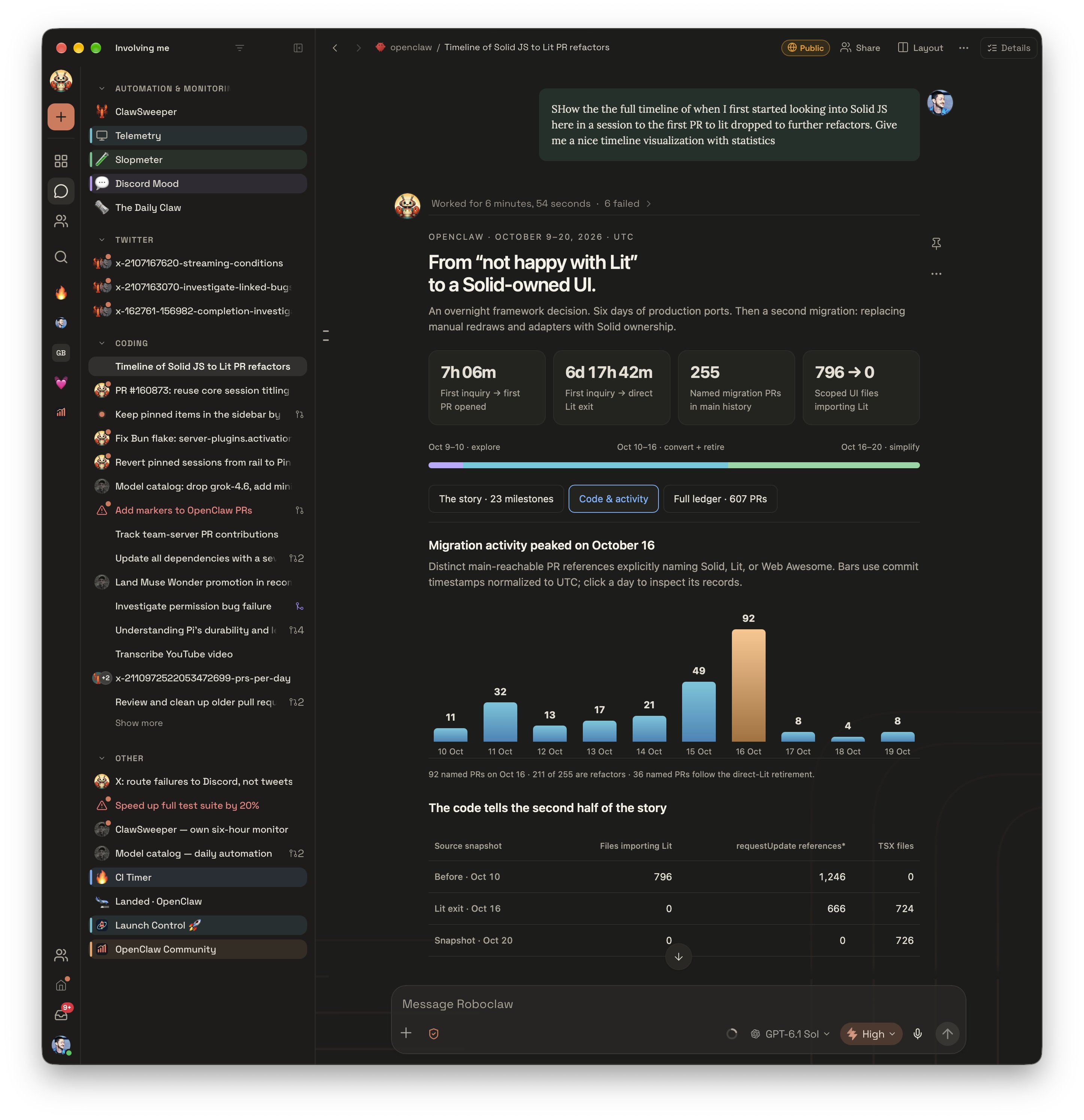
Two weeks ago I kicked off a loop to move OpenClaw's Lit-based Web frontend to Solid 2.0.

Took ~6 days until we could remove Lit, and another week to move patterns to idiomatic Solid.

I checked in with the session every other day, overall the process was mostly automatic. Took about ~600 PRs.

Result: Smaller JS and CSS footprint and much more fine-grained update control. Everything feeling more snappy and

Show more

responsive. team.openclaw.ai/chat/roboclaw/timeline-of-solid-js-to-lit-pr-refactors-5ba10f632c29434c9f79a92c3c16a7a3

Media from Peter Steinberger 🦞’s saved post
984 likes · 356 bookmarksView original ↗

AMD has several presentations accepted/presented at this year's PyTorch Conf about our effort to create a lower-level DSL than Triton which allows model developers to take better advantage of the underlying hardware while remaining in Python.

In keeping with our open source ecosystem strategy, efforts are under way to integrate FlyDSL as a back-end at several different model developer APIs, including PyTorch

Show more

itself.

Personally, I'm really enjoying the conference, especially with respect to progress in the RL space - it's called "reinforcement learning," today, but maybe some day in the future it'll simply be "real-time learning." An ML holy grail...

I just got here like five minutes ago, but I can promise you, we all really care about building tools that are fun, useful and sincere. Studio is personal software for you, and it's personal to us as well. Let's build it together!

6 likes · 0 bookmarksView original ↗

Feels so cool to be part of Garaža's Frontier Hackathon! 😎

It takes place November 7-8 in Belgrade and is open for teams 2-4, under the age of 26.

We're joining as sponsors and technology providers and if you're thinking about signing up, make sure to check out what we're building at *codeplain and how we approach software regeneration:
lnkd.in/dYtVzQ_v

In 1994, software was dead. People told me programming was for nerds and that I should become a doctor or a lawyer instead.

In 2004, software was dead. People told me that someone from India would take my job for $5/hour.

In 2014, software was dead. People told me that no-code was going to kill every job and doom my career.

In 2024, software was dead with Devin, Windsurf, Copilot, and OpenAI o1.

We kill software

Show more

every 10 years, and yet the demand for good Software Engineers has never been higher.

4317 likes · 685 bookmarksView original ↗

it used to feel like the internet is moving and we're trying to catch up and read what's there and now it's the other way round that websites and tweets just sit there waiting to be slammed by ai agents

0 likes · 0 bookmarksView original ↗

We're making Shopify's mobile apps self-healing.

Agents watch production 24x7 for new crashes, reproduce them, write and verify a fix, then generate a short video explaining the root cause and the fix. Much faster to digest than the usual wall of text.

An engineer then just reviews and ships it.

1799 likes · 1374 bookmarksView original ↗

24 saved posts · real text, not screenshots